
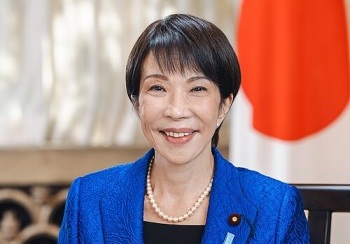
During ongoing debates in the Diet, Prime Minister Sanae Takaichi emphasized her commitment to avoiding the issuance of a significant volume of deficit-covering government bonds while crafting a supplementary budget in response to the economic repercussions from the ongoing Middle East conflict. Takaichi assured that the government is focused on safeguarding the livelihoods and economic activities of its citizens without resorting to excessive borrowing. She noted that discussions regarding the full scale and specifics of the extra budget for fiscal 2026 are still in the preliminary stages. The Prime Minister mentioned that surplus fiscal settlement funds and other resources are expected to become available soon, possibly within a month or two.
Previously, Takaichi had dismissed the necessity of an extra budget, a position she reiterated during Diet discussions. However, in a shift, she informed a government-ruling coalition meeting on May 18 that she had instructed Finance Minister Satsuki Katayama to consider the development of a supplementary budget as part of broader economic measures. Opposition leader Junya Ogawa of the Centrist Reform Alliance criticized the timing of these directives, questioning whether the government’s response had been delayed. Takaichi refuted this criticism, asserting that her instructions were timely, despite apparent inconsistencies in her earlier statements and actions.
In a debate with Yuichiro Tamaki, leader of the Democratic Party for the People, Takaichi revealed that she had directed officials to study the need for an extra budget before the Golden Week holidays in late April to early May. Yet, she had previously expressed that the situation did not necessitate immediate action on a supplementary budget during a May 11 session of the Upper House Committee on Audit. Ogawa labeled her earlier response as “insincere,” highlighting the apparent contradiction. Tamaki proposed extending fuel subsidies in the supplementary budget, suggesting a phased approach to raising the threshold for these subsidies. Takaichi acknowledged the proposal, indicating a strategic consideration and a willingness to adjust subsidy levels accordingly.
Amidst these discussions, the de facto closure of the Strait of Hormuz has prompted companies to prepare for potential naphtha supply shortages, a critical feedstock for petrochemical production. Calbee Inc., a snack food manufacturer, announced a shift to black-and-white packaging for 14 products, including its popular potato chips, due to unstable ink supplies derived from naphtha. Despite these supply chain disruptions, the Takaichi administration maintains that there is sufficient naphtha available overall. The Prime Minister pointed to supply-chain constraints as the primary issue rather than a shortage of naphtha itself and assured that Industry Minister Ryosei Akazawa will lead efforts to address these challenges.
In addition to these economic measures, Takaichi reiterated her intention to submit legislation aimed at eliminating the consumption tax on food items. This initiative is contingent on an interim report from the national council on social security, which is expected before the summer. The Prime Minister’s comprehensive approach seeks to balance immediate economic relief with long-term fiscal responsibility, underscoring her administration’s cautious stance on deficit financing.