
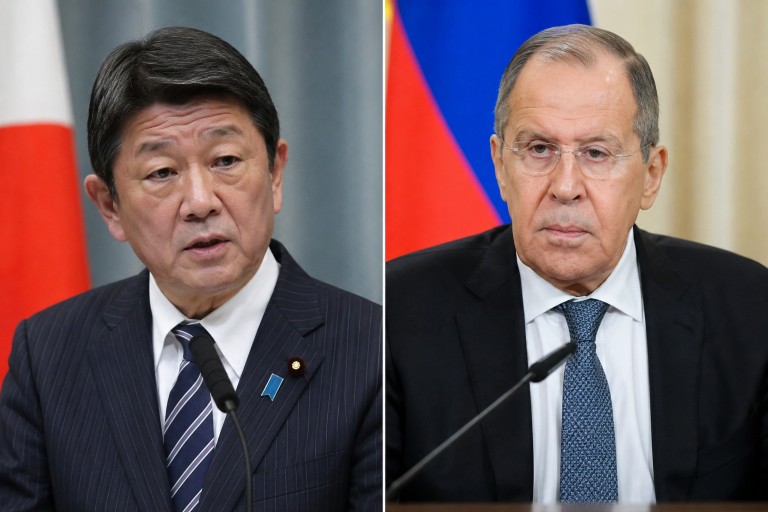
As the G7 summit approaches, Japan’s ongoing engagement with Russia has become a point of contention with several European nations, triggering debates over diplomatic strategies amid the war in Ukraine. This engagement has been perceived as diverging from the unified Western approach of isolating Moscow through economic sanctions and political pressure.
Diplomatic insiders reveal that recent interactions between Japanese officials and Russian authorities have raised eyebrows in Europe. The visits, involving Japanese government representatives from the foreign and trade ministries and key members of the business sector, focused on economic matters and the safeguarding of Japanese business interests in Russia. These meetings were intended to protect existing investments and operations, even as global tensions simmer.
Japan’s government defends these moves by emphasizing the necessity of keeping communication channels open, despite the current geopolitical climate. Some political voices within Japan argue for a nuanced stance, citing the importance of ensuring long-term energy security, even as the nation continues to uphold international sanctions against Russia. This balancing act reflects Japan’s attempt to navigate its own economic needs while aligning with its G7 partners.
Despite these engagements, Japan remains steadfast in its support for Ukraine, recently pledging additional financial aid to back international efforts in the region. Tokyo’s commitment to the collective Western strategy is expected to be reiterated by Prime Minister Sanae Takaichi during the G7 summit. Japanese officials have clarified that no high-level political dialogues with Russian counterparts are on the agenda, reassuring European allies of Japan’s continued support for Ukraine.
As G7 leaders convene, the challenge will be to present a united front on Russia while accommodating the varied economic and security concerns of member states. Japan’s actions, while aimed at preserving its own interests, underscore the complexities of maintaining solidarity in the face of diverse national priorities.