
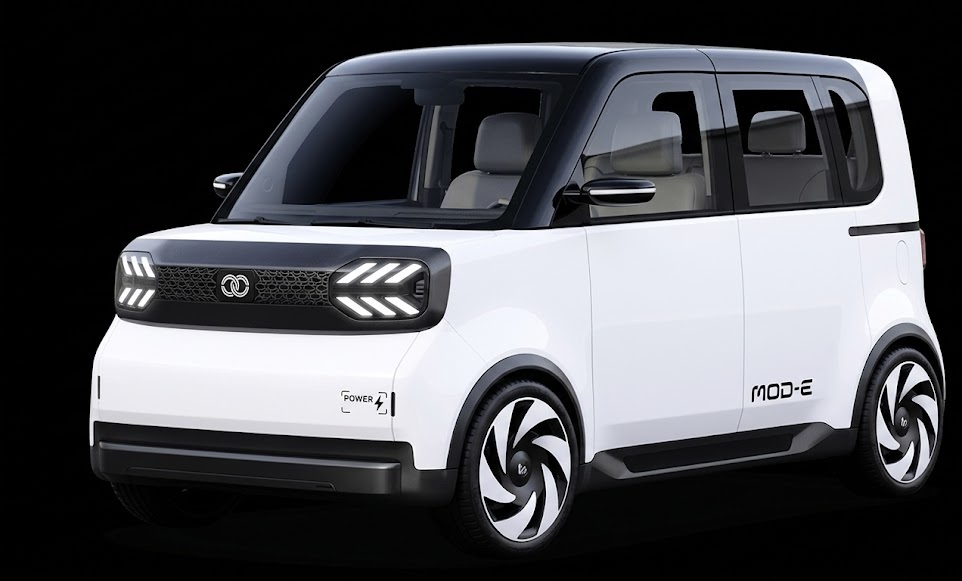
A collaborative venture involving several Japanese automotive companies and China’s Chery Automobile has introduced a new electric vehicle brand called EMTA, specifically targeting the Japanese market. Based in Yokohama, EMT Co. is spearheading this initiative with plans to unveil its first model, a compact electric kei car, in 2027, marking a significant move into one of Japan’s key vehicle categories.
The partnership includes contributions from Japanese entities such as Autobacs Seven and Anest Iwata, alongside Chery Automobile, a battery producer, and additional partners. The kei car, a category that constitutes over one-third of new vehicle sales in Japan, presents an appealing opportunity for this electric vehicle initiative. Given their popularity for short-distance travel, range anxiety is less of a concern for kei car users, making them an ideal candidate for electrification.
EMT plans to design and produce these vehicles in China, with the Japanese market in mind for planning and marketing efforts. The company aims to integrate cutting-edge digital features such as wireless software updates, smartphone connectivity, and advanced automated driving capabilities. Additionally, EMT is considering leveraging selected Autobacs stores as retail outlets and aims to roll out three more electric models by 2029, with potential future expansion into Japanese manufacturing and international markets.
This announcement comes as the competition in Japan’s electric kei car segment is heating up. Chinese automaker BYD is entering the market with its Racco kei EV, while Nissan Motor has expanded its Sakura series with a more affordable model. Meanwhile, Suzuki Motor is on track to launch its kei EV within the current fiscal year, and Honda Motor is developing an electric version of its popular N-Box model, slated for release in 2028.
The surge of new entrants underscores the increasing momentum in Japan’s small electric vehicle market, as automakers vie to capture the attention of cost-conscious urban drivers. This trend reflects a broader shift towards electric mobility, driven by evolving consumer preferences and regulatory pressures to reduce emissions.