
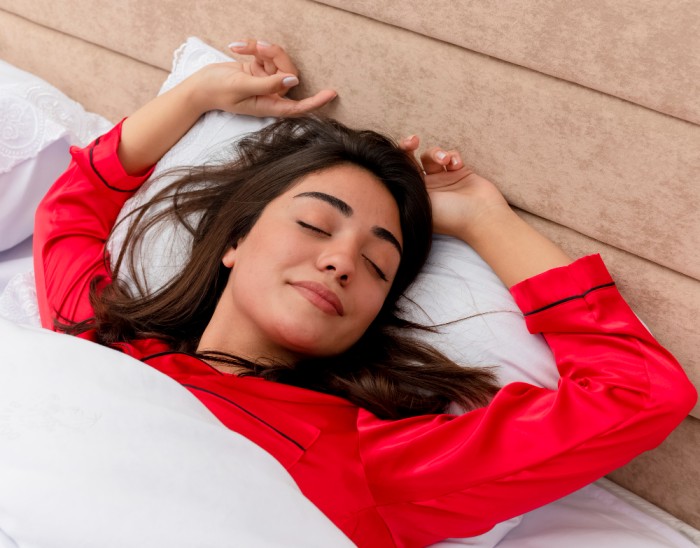
Sleeping with wet hair after a late-night shower might seem innocuous, but dermatologists caution that making this a regular routine could have adverse effects on both your hair and scalp. The warm and moist environment created by a damp scalp during sleep can foster the growth of fungi and microbes that naturally inhabit this area. This condition can, over time, lead to scalp issues such as itching, irritation, dandruff-like flaking, excessive oiliness, and discomfort for some individuals.
The fragility of wet hair also poses a risk. As it rubs against the pillow throughout the night, the friction from tossing and turning can weaken the hair strands, making them prone to breakage, split ends, and frizz. Although this type of damage does not directly result in hair loss, frequent breakage can give the appearance of thinning hair over time.
Occasionally sleeping with wet hair is unlikely to cause significant harm, particularly for those with healthy scalps. However, experts advise against making it a nightly habit, as it could gradually compromise hair strength and scalp health.
To minimize potential risks, experts recommend allowing your hair to dry naturally before going to bed or using a hairdryer on a cool or low-heat setting to eliminate excess moisture. Ensuring the scalp is dry before sleeping can help maintain healthier hair and reduce the likelihood of irritation or microbial growth.