
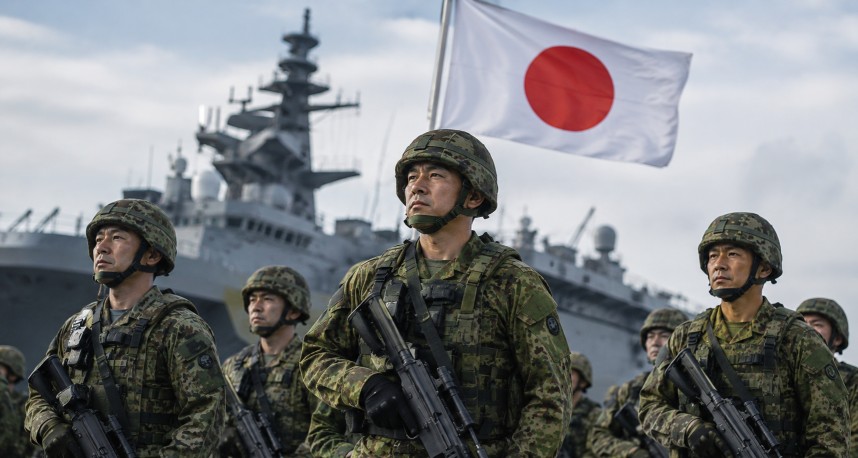
As Japan seeks to bolster its defense capabilities, the nation is set to unveil a new economic and fiscal policy framework that will underpin a significant boost in military expenditure in the coming years. This move aligns with the government’s annual Basic Policy on Economic and Fiscal Management and Reform, which is anticipated to receive approval by the end of the month. The document aims to reinforce Japan’s commitment to transforming its defense infrastructure within a five-year timeline. Although it will not specify a new spending target, it will emphasize the defense expenditure objectives established by Japan’s key allies and partners.
The policy is expected to underscore the increasing demands from the United States for its allies to take on more substantial security roles. Additionally, it will highlight similar defense spending plans adopted by NATO members, as well as nations like South Korea and Australia. A draft of the policy reportedly includes a footnote referencing NATO’s aim to increase core defense spending to 3.5% of GDP by 2035, South Korea’s ambition to reach that same percentage as soon as possible, and Australia’s commitment to allocating 3% of GDP to defense by 2033.
Japan’s current national security strategy, which was rolled out in 2022, had initially set a target to raise defense spending from 1% to 2% of GDP within a five-year period. Remarkably, the government met this goal ahead of schedule, achieving it by fiscal 2025. The upcoming revisions to the policy are anticipated to lay the groundwork for updates to Japan’s three principal national security documents, scheduled for later this year. These revisions will likely continue to prioritize defense spending as Japan navigates an increasingly intricate regional security landscape.
Amidst a backdrop of mounting regional security challenges, this strategic pivot underscores Tokyo’s resolve to enhance its defense posture. As Japan aligns its policies with the defense spending benchmarks of other key global players, it signals a proactive stance in addressing the evolving security dynamics of the region. The new policy framework not only reaffirms Japan’s defense ambitions but also positions it more prominently within the broader context of international security cooperation.
Through these strategic adjustments, Japan is poised to reaffirm its commitment to national and regional security. By aligning with the defense strategies of its allies, Japan is taking significant steps to ensure its preparedness in the face of potential threats. As the nation prepares to update its security documents, the focus on defense spending is likely to remain a pivotal element in shaping Japan’s future security strategy.