
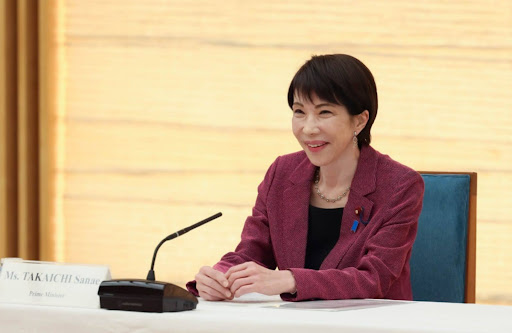
Even as Japan commences the biggest-ever release from its strategic oil reserves — approximately 80 million barrels to domestic refiners beginning Thursday — officials have moved to reassure the public that the country’s reserve position remains substantial, with holdings sufficient to cover well over 200 days of domestic consumption even after this historic deployment. Prime Minister Sanae Takaichi confirmed the reserve release in response to the US-Israel conflict with Iran’s disruption of Strait of Hormuz tanker traffic. The message from Tokyo is clear: this is an emergency response, but it is not a crisis of reserve adequacy.
Japan’s total petroleum reserves stood at approximately 470 million barrels at year-end, equivalent to about 254 days of consumption. The 80 million barrel release reduces this by roughly 17%, leaving reserves well above the minimum levels required to provide meaningful supply security. Energy officials have emphasized that the release is a precautionary deployment designed to bridge a temporary supply gap, not an emergency drawdown that leaves Japan exposed.
The scale of the release — 45 days of national demand, 1.8 times the previous record from the 2011 Fukushima era — is nonetheless unprecedented. Japan imports over 90% of its crude oil from the Middle East, and the disruption to the Strait of Hormuz is a genuine and serious threat to supply continuity. The government’s decision to act early and decisively reflects its determination to prevent any actual shortages from developing.
Consumer protection measures include subsidies capping gasoline at approximately ¥170 per litre, following record prices of ¥190.8. Weekly reviews will keep the subsidy aligned with market conditions. The government is also working to calm public anxiety about household goods shortages, reassuring consumers that most everyday products are made domestically and are not affected by Middle Eastern supply disruptions.
Takaichi has framed Japan’s response as both an economic and diplomatic endeavor, pledging intensive multilateral engagement to promote peace in the Middle East while ruling out military involvement. Her refusal of Trump’s naval deployment request was grounded in Japan’s postwar constitution. Japan’s reserve depth, subsidy program, and diplomatic engagement together represent a comprehensive and proportionate response to a genuine national energy challenge.