
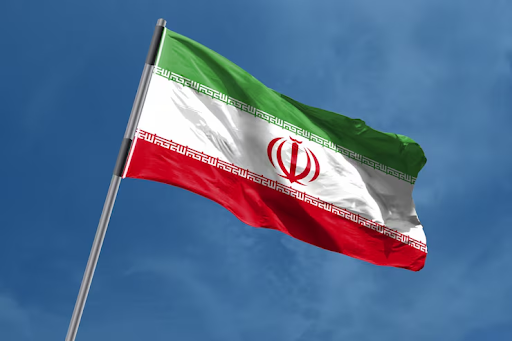
The global energy crisis triggered by Iran’s blockade of the Strait of Hormuz showed no signs of easing on Wednesday as diplomatic efforts to end the war made limited progress. Oil prices had soared to crisis levels not seen in decades, affecting consumers and businesses across the world. The Strait of Hormuz, through which approximately 20% of the world’s oil flows, remained effectively closed to normal transit, with no clear end date in sight.
Iran rejected the US ceasefire proposal and submitted its own counter-demands, including a condition for retained Iranian control over the Strait. The US insisted on the strait’s reopening as a core war aim, making it one of the hardest issues to resolve. Brief market optimism when news of Iran’s counter-proposal broke quickly faded as the substance of Tehran’s demands became clear. The gap between the two sides on Hormuz remained as wide as it had been at the start of negotiations.
The administration was reportedly considering a military operation to seize Iran’s Kharg Island, which handles 90% of Iran’s oil exports, specifically as leverage to force the strait open. Such a move would dramatically escalate the conflict but might provide Washington with the economic leverage it needed. Iran had threatened catastrophic military consequences for any landing force, including bombing its own territory, adding a dangerous element of unpredictability to the option.
The broader economic consequences of the conflict were being felt globally. Trump’s approval rating had fallen to 36%, driven in large part by domestic fuel price increases. Major economies worldwide were grappling with supply disruptions and elevated energy costs. The conflict’s impact on global shipping had compounded the energy crisis, with insurance premiums and freight costs adding to inflationary pressures.
The paradox facing the Trump administration was that the military campaign had been highly effective in degrading Iran’s capabilities but had not produced the political leverage needed to force a resolution on American terms. Iran had absorbed enormous damage while maintaining enough offensive capacity to keep fighting and enough diplomatic flexibility to propose its own peace terms. The energy crisis would continue until the strait was reopened, and the strait would not reopen until a deal was struck — but the deal was proving extraordinarily difficult to close.