
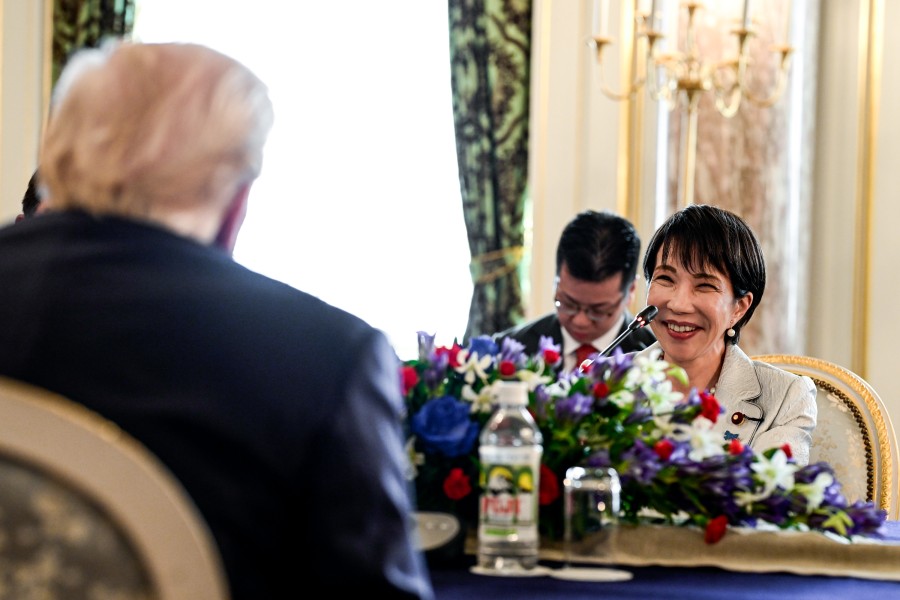
During her inaugural appearance at the G7 summit, Japanese Prime Minister Sanae Takaichi aimed to highlight Japan’s role as a dependable and steadfast ally, while pushing forward the nation’s strategic goals through diplomatic engagement and global collaboration. Japan opted to play a supportive role, focusing on consensus-building and endorsing joint efforts to tackle pressing international issues like the conflicts in Ukraine and the Middle East, security in the Indo-Pacific region, resilience of supply chains, and the management of vital mineral resources.
Emphasizing the interconnectedness of European events with Asian security challenges, Japanese representatives drew attention to concerns about regional stability and maritime security. The summit’s collective declarations underscored support for Ukraine, initiatives to bolster economic security, and pledges to ensure a free and open Indo-Pacific region. This approach underscores Japan’s broader strategy of linking global developments to regional security imperatives, thereby advocating for a comprehensive view on international stability.
Prior to the summit, Takaichi engaged in bilateral discussions with leaders from the United Kingdom and Italy, underscoring the importance of collaborative projects in defense and next-generation technology. These meetings highlighted Japan’s commitment to strengthening ties and fostering innovation in key technological areas, which are essential for future security and economic growth.
Observers pointed out that Japan’s influence at the G7 summit stemmed more from its subtle diplomatic maneuvers and efforts to build coalitions rather than taking center stage in high-profile leadership roles. This measured and realistic approach has solidified Japan’s status as a trusted participant within the G7, particularly at a time marked by increasing global political uncertainties.