
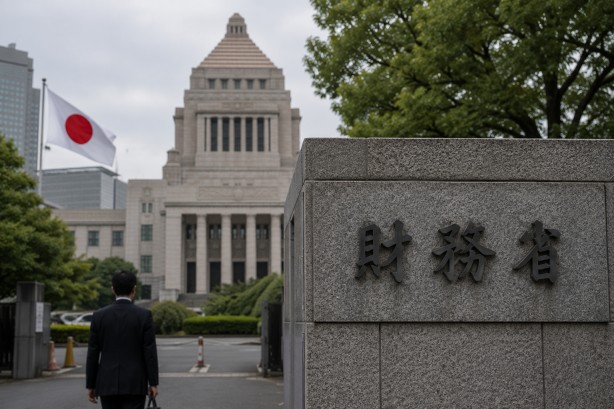
The Japanese government has made only modest headway in its efforts to reevaluate corporate tax incentives. After scrutinizing roughly 120 measures across various ministries and government agencies, just a single tax break was slated for removal. This initiative was launched to curb wasteful government spending and secure resources for proposed tax relief initiatives. Ministries were tasked with studying the efficiency of numerous special tax exemptions, yet most opted to uphold existing incentives. Even those with limited utilization were defended on the grounds that they still align with long-term policy objectives.
Finance Minister Satsuki Katayama expressed dissatisfaction with the progress of the review, describing the initial outcomes as lacking. She committed to conducting a more comprehensive assessment ahead of the year-end negotiations. The tax incentives currently being reviewed collectively contribute to about 1 trillion yen in tax reductions. This substantial figure underscores the scale of potential financial impact if these incentives were to be adjusted or abolished.
The Japanese government is actively seeking ways to generate additional revenue, crucial for funding a proposed temporary reduction in the consumption tax on food. This effort is part of a broader strategy to stimulate economic relief without resorting to increased borrowing, which could further strain government finances. The temporary tax cut on food aims to ease the financial burden on consumers, while the review of corporate tax incentives is intended to ensure efficient allocation of resources and support for essential policy goals.
The review process has revealed a complex balancing act for the government. On one hand, there is a clear need to streamline tax incentives to make government spending more efficient. On the other, ministries are hesitant to dismantle incentives that, despite low current usage, may still foster long-term policy aims. This tension highlights the challenges in reforming tax policy, where immediate fiscal needs must be weighed against strategic economic objectives.
As the year-end approaches, the government faces growing pressure to refine its approach to tax incentives. The outcomes of this review could have significant implications for Japan’s fiscal policy and economic health. Minister Katayama’s commitment to a thorough reassessment indicates that the government is aware of the stakes involved and is striving to find a balanced solution that meets both immediate and future economic needs.