
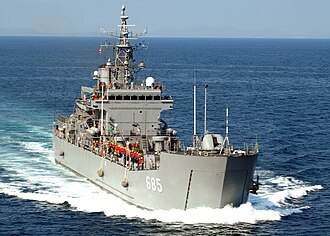
In a recent maritime incident, South Korea is exercising caution before pointing fingers for the attack on one of its cargo vessels earlier this month. Although preliminary evidence seems to implicate Iranian drones, Seoul is holding back from making any official accusations. The attack occurred in the early hours of May 4 when two aerial objects hit the HMM Namu, which was anchored off the coast of the United Arab Emirates. Despite having surveillance footage of the event, South Korea has remained largely silent on the matter.
Experts suggest that South Korea might be strategically delaying its response, waiting for the outcome of an upcoming US-China summit later this week. This high-stakes meeting is anticipated to potentially impact the ongoing conflict involving Iran, and South Korea could be weighing its options based on the summit’s developments. The cautious stance indicates a careful balancing act by Seoul in the complex web of international relations.
Beyond the immediate incident, South Korea is likely considering the broader geopolitical implications of assigning blame to Iran. According to Doo Jin-ho, a senior security researcher at the Korea Research Institute for National Strategy, such a move could intensify pressure from Washington. The United States might urge Seoul to participate in the Maritime Freedom Construct or other US-led initiatives aimed at safeguarding shipping routes in the Strait of Hormuz. This adds another layer of complexity to South Korea’s decision-making process as it navigates its diplomatic relationships.
The incident underscores the intricate dynamics at play in the region, where maritime security is a critical concern for many nations. As South Korea weighs its next steps, the global community watches closely, aware that the repercussions of its decision could extend far beyond the immediate aftermath of the attack. The situation remains fluid, with potential developments hinging on international diplomatic engagements and strategic alliances.